A Mathematical Search at Instructional Outcomes in Thailand
Early childhood training plays a simple position in shaping long-term cognitive and social development. New demographic reports suggest an increasing increased exposure of organized understanding settings for small children, particularly in expatriate and international communities. When parents begin exploring their choices, examining the metrics of local facilities becomes essential. Finding the right primary school phuket requires looking beyond fundamental curricula to comprehend the statistical benefits of various instructional models. Knowledge shows that institutions emphasizing reduced student-to-teacher ratios and accredited teaching methodologies generate significantly larger ability results for primary education. What do recent statistics indicate about early childhood education enrollment? Enrollment figures across early learning stores have shown a steady upward trajectory in the last decade. According to new academic surveys, involvement in organized pre-primary programs has improved by approximately fifteen per cent throughout the last five years alone. That development shows a broader knowledge of the critical developing windows occurring between ages three and six. Institutions confirming the highest enrollment development usually present comprehensive developmental tracking, enabling parents to check their child's development through quantifiable efficiency metrics.

How do student-to-teacher ratios impact developmental outcomes? The correlation between school size and scholar achievement is seriously noted in current educational research. Mathematical analysis shows that classes sustaining a rigid rate of 1 educator to every seven students record a thirty per cent development in early literacy and numeracy abilities in comparison to larger, traditional classes. Smaller organizations allow teachers to offer extremely individualized interest, somewhat reducing enough time needed to identify and address particular learning or behavioral challenges. What are the quantifiable benefits of bilingual early education programs? Linguistic information strongly helps the integration of second-language exchange during early childhood. Children enrolled in immersive bilingual programs regularly display a twenty-five % larger proficiency in cognitive mobility tests. More over, standardized academic assessments show that early experience of numerous languages enhances problem-solving abilities and auditory control rate, giving a measurable mathematical gain as students progress in to higher academic tiers. How do facility standards correlate with academic readiness? Physical learning surroundings immediately effect instructional outcomes. Information collected from environmental psychology reports suggests that classrooms developed with optimal organic illumination and focused fun zones improve scholar proposal by as much as forty percent. Schools that invest greatly in particular infrastructure, such as for example sensory integration rooms and safe modular outdoor perform parts, continually generate pupils who score higher on standardized school-readiness evaluations.
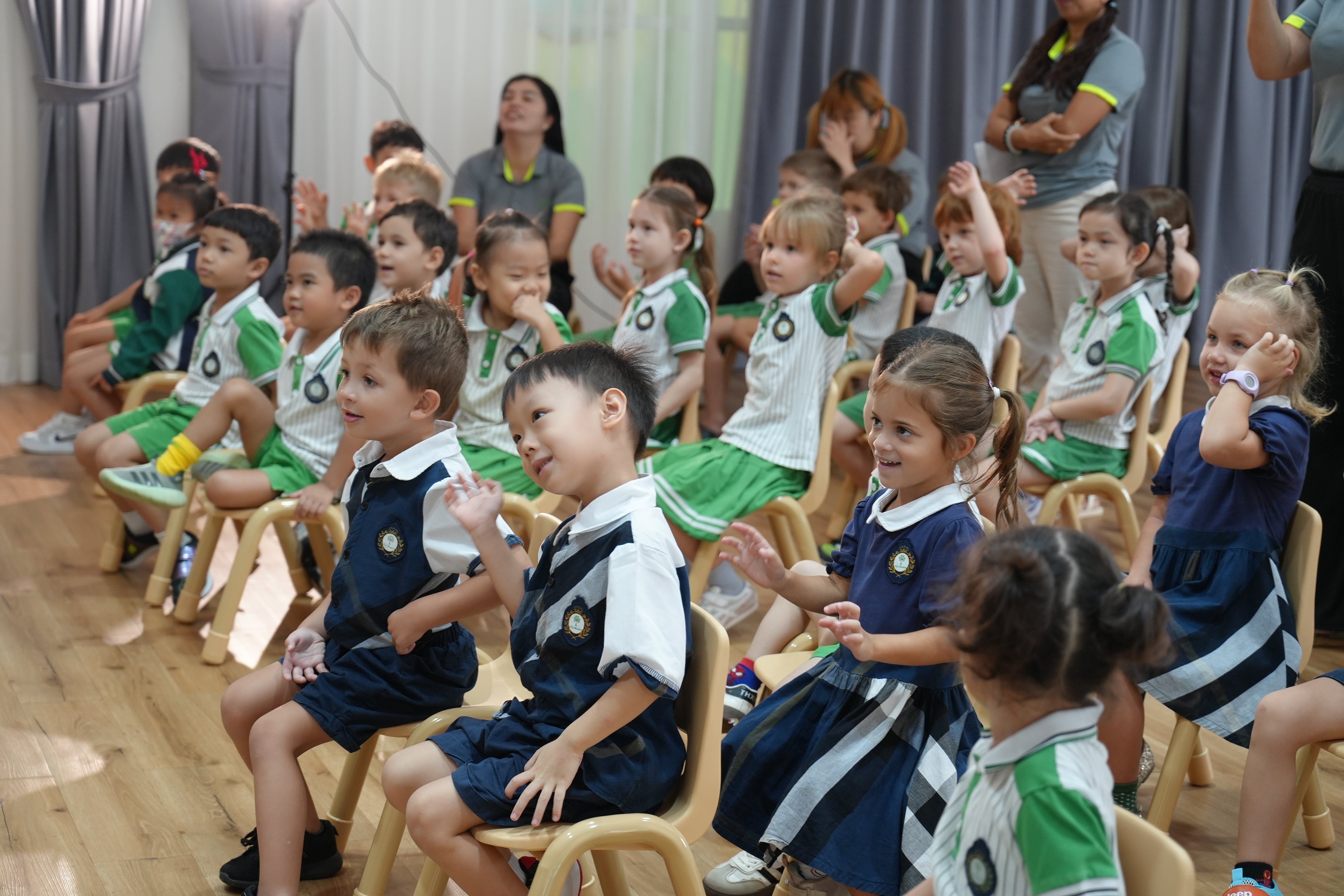
What role does parental involvement play in measurable student success? Quantitative reports spotlight the profound influence of productive parental proposal on early instructional milestones. Centers that implement organized parental engagement programs—such as regular development knowledge reports and fun weekend modules—notice a twenty per cent improve in overall behavioral and academic efficiency metrics. The information underscores that early education is just a collaborative process. When schools facilitate translucent interaction and give actionable data to parents, student retention and comprehension prices increase substantially. Securing a Data-Backed Foundation Selecting the correct academic foundation involves consideration of the measurable factors. By prioritizing institutions that align with good statistical styles in class ratios, linguistic options, and service quality, parents may protected an effective academic kick off point for their children. As the information obviously shows, the decisions built over these formative years establish a quantifiable trajectory for future academic and cultural achievements. Considering schools by way of a statistical lens ensures a greater probability of long-term educational success.